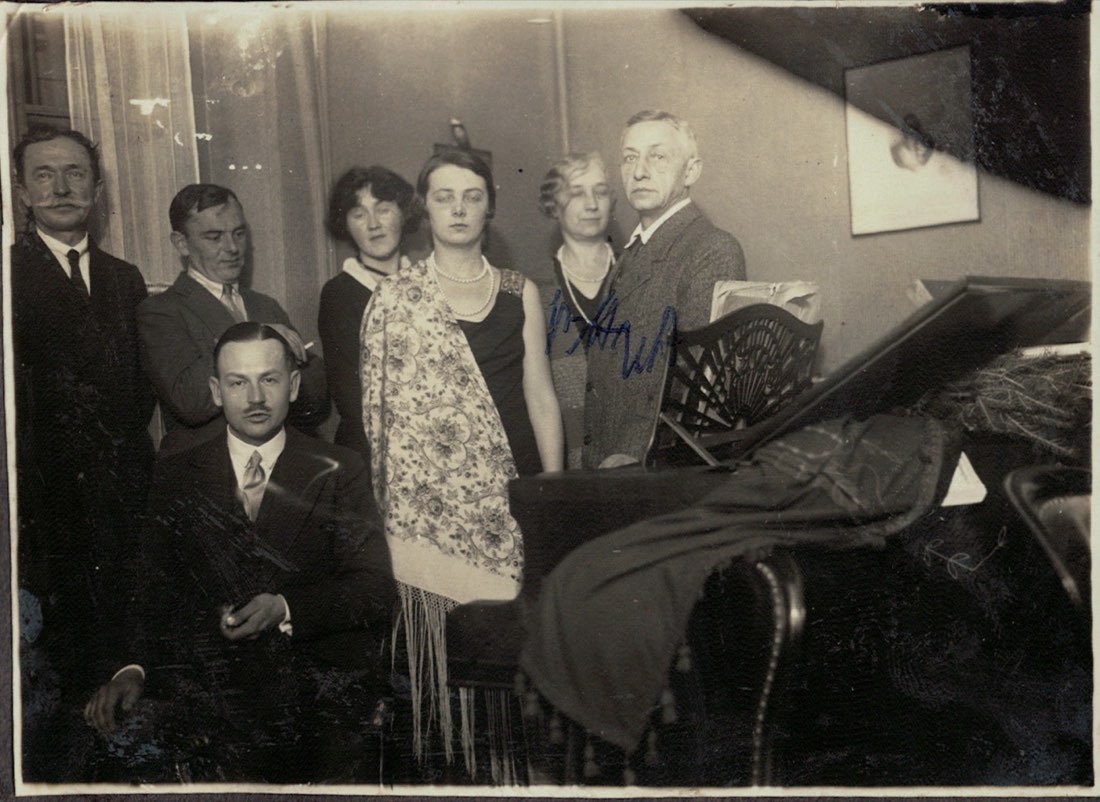
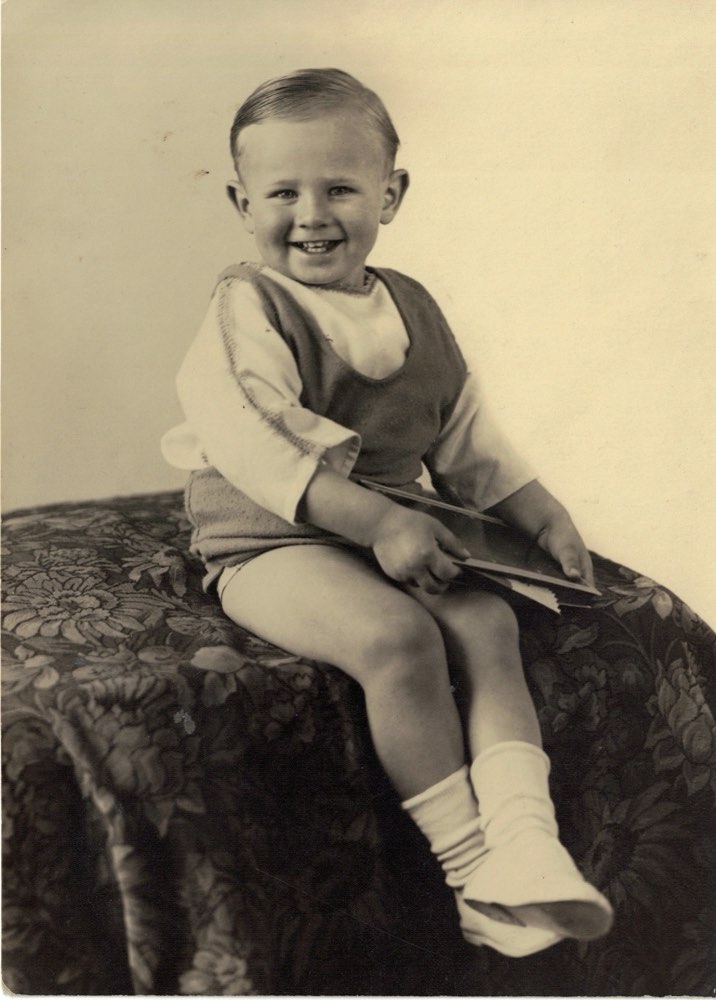
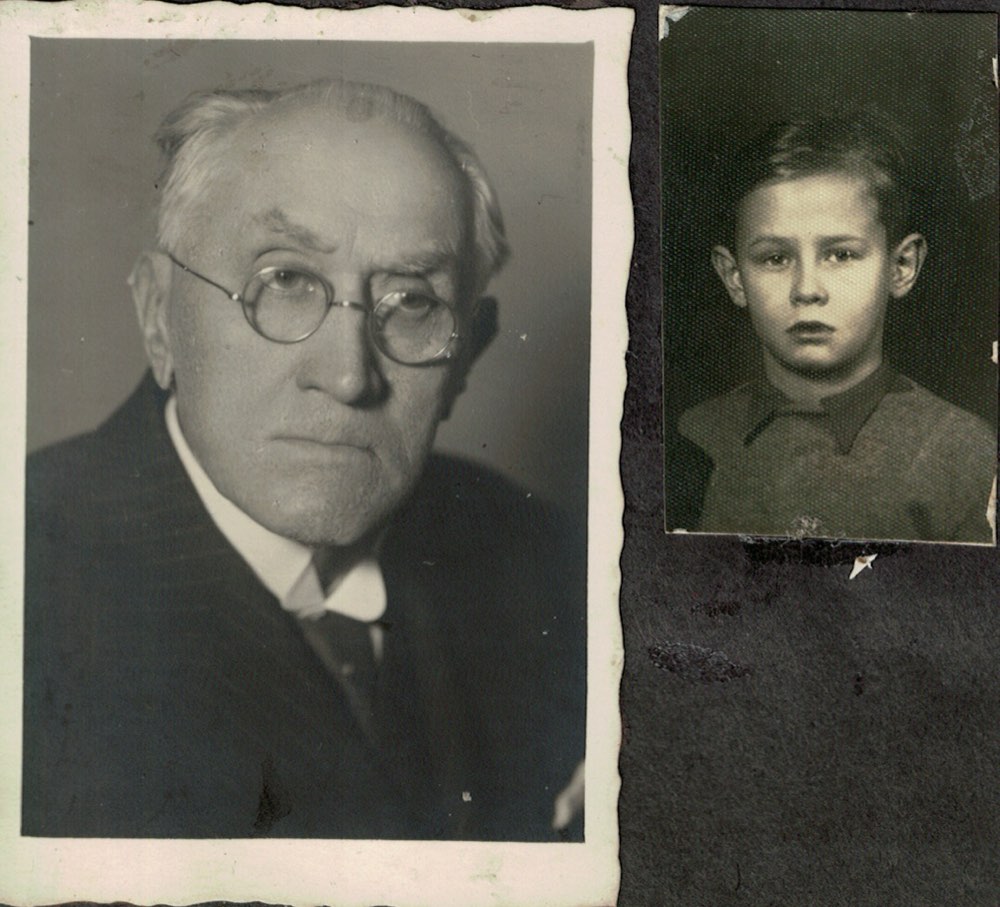
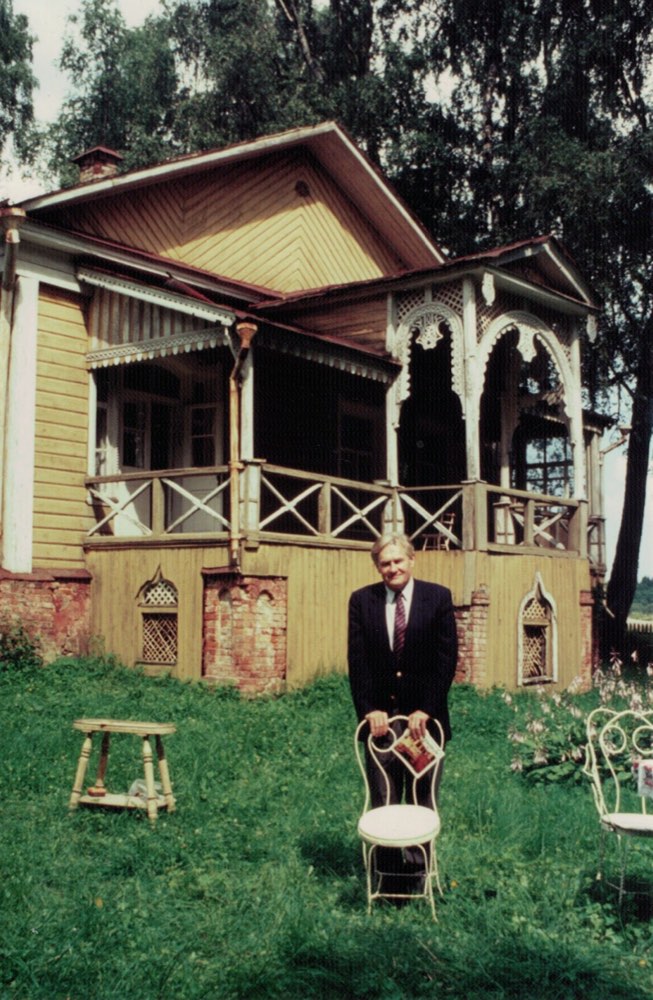
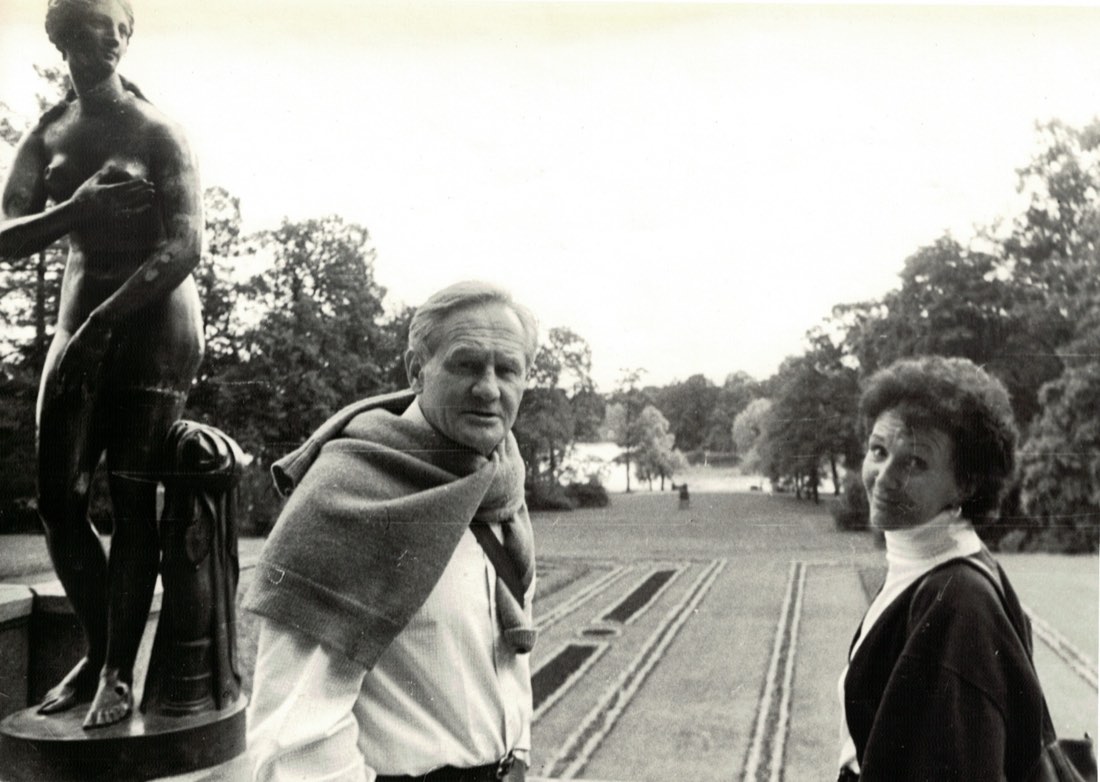
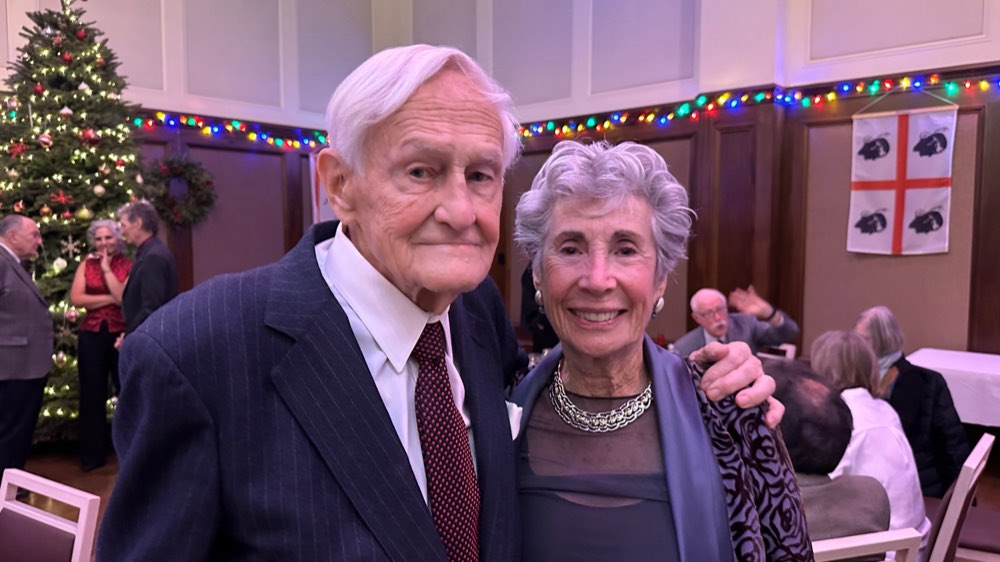
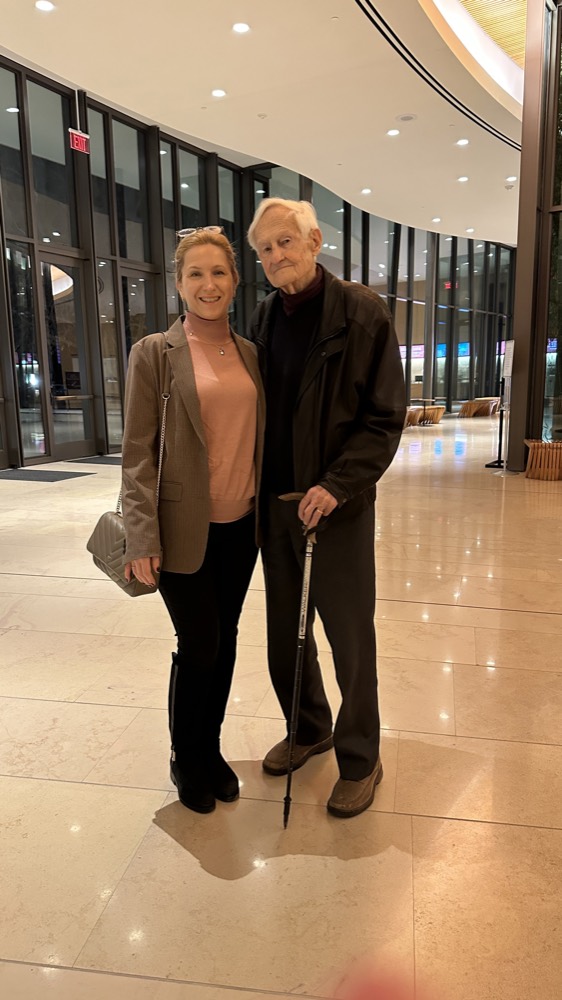
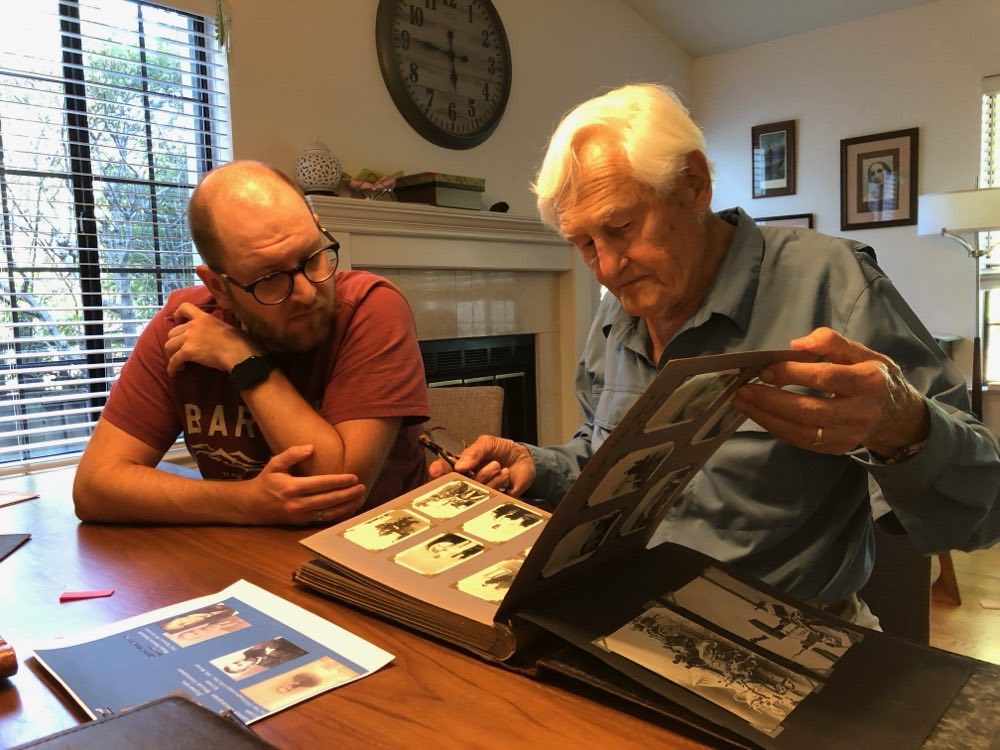
Alexander Kugushev was born in Nice, France, on April 4, 1931, to Russian
émigré parents. He descended from the princely Kugushev family, Russian nobility
of Tatar origin whose recorded line reaches back to the seventeenth century. He
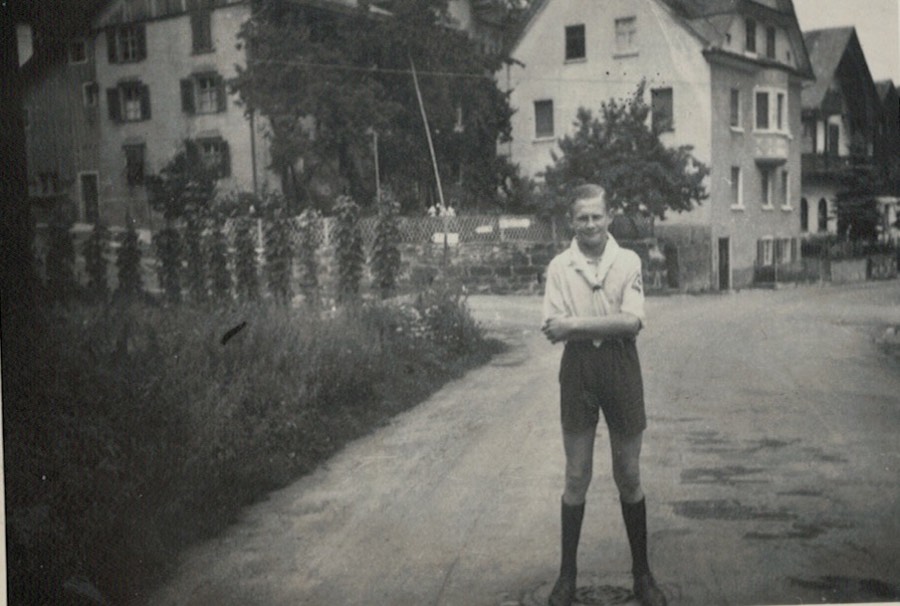
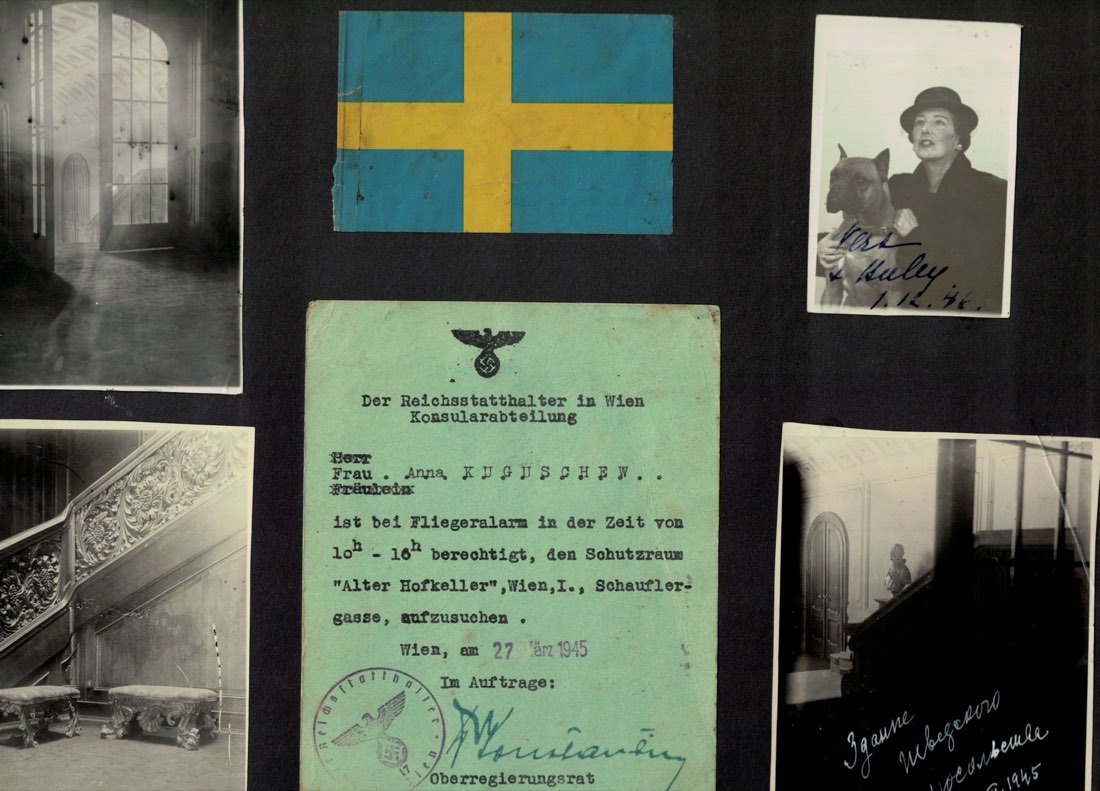
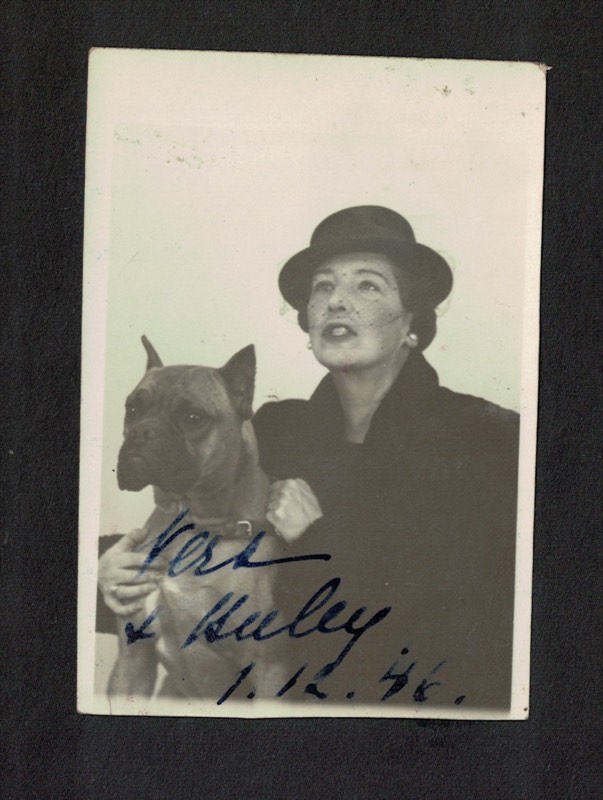
grew up in a Europe torn apart by the conflicts between the two World Wars, was
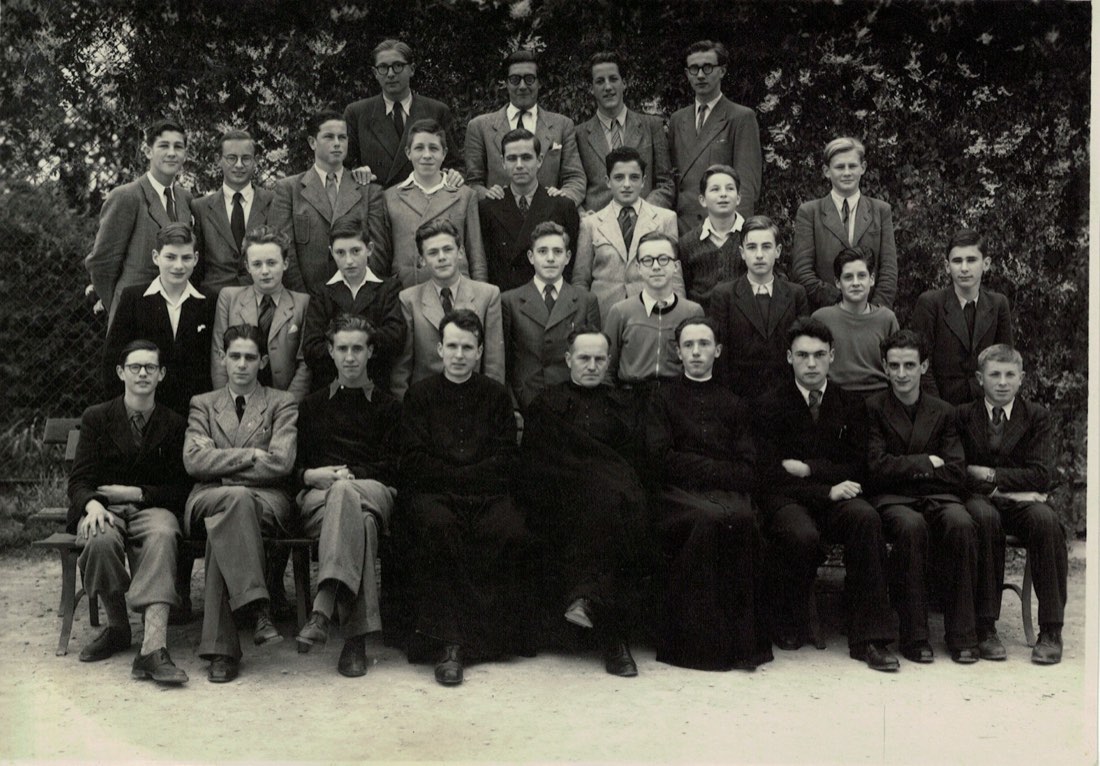
educated successively in Yugoslavia, Austria, and Switzerland, and lived through
World War II as a boy. He would later call the war the defining experience of
his life.
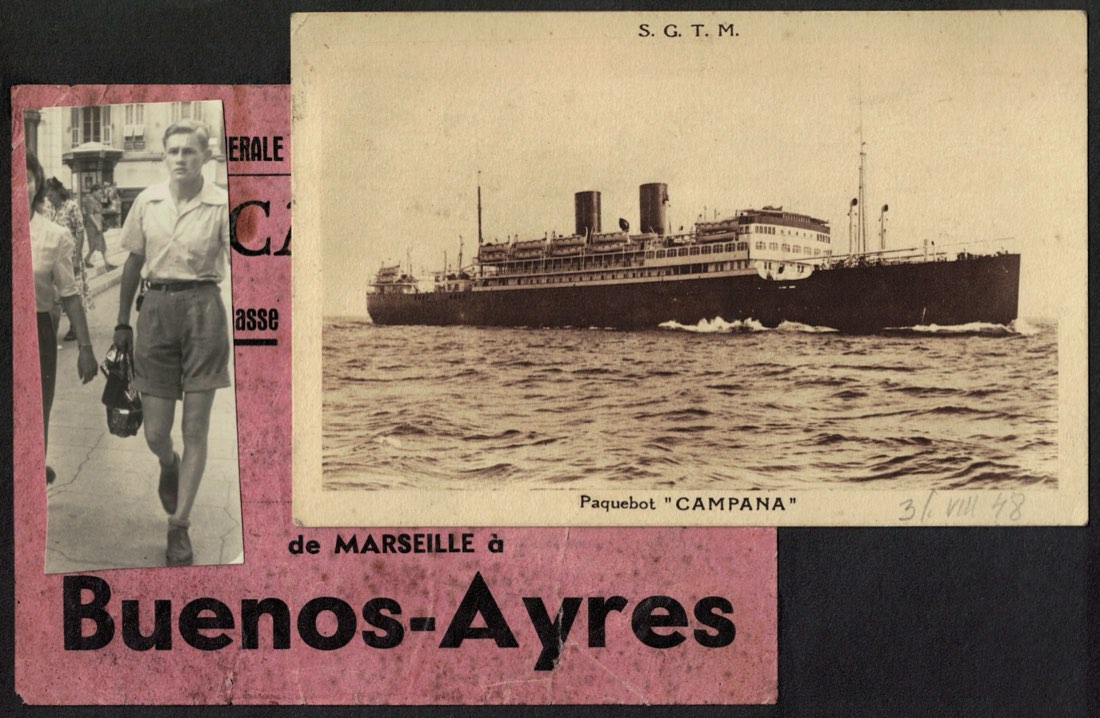
At seventeen he emigrated with his mother to Argentina, where he received his
higher education, studying journalism at night while working by day. In 1960 he
immigrated to the United States. His American life ran from longshoreman on the
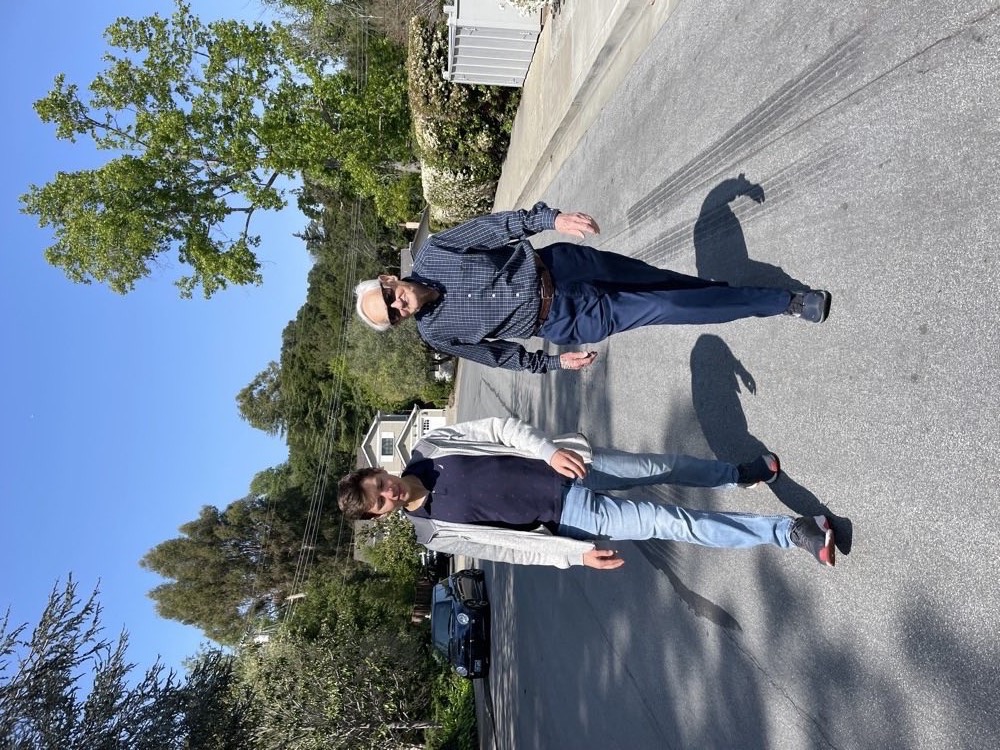
docks to entrepreneur in Silicon Valley. In 1966 he settled in Menlo Park,
California, his home for the rest of his life.
A journalist by trade and a publisher by profession, he spent more than forty
years publishing educational materials in the United States, in print and online.
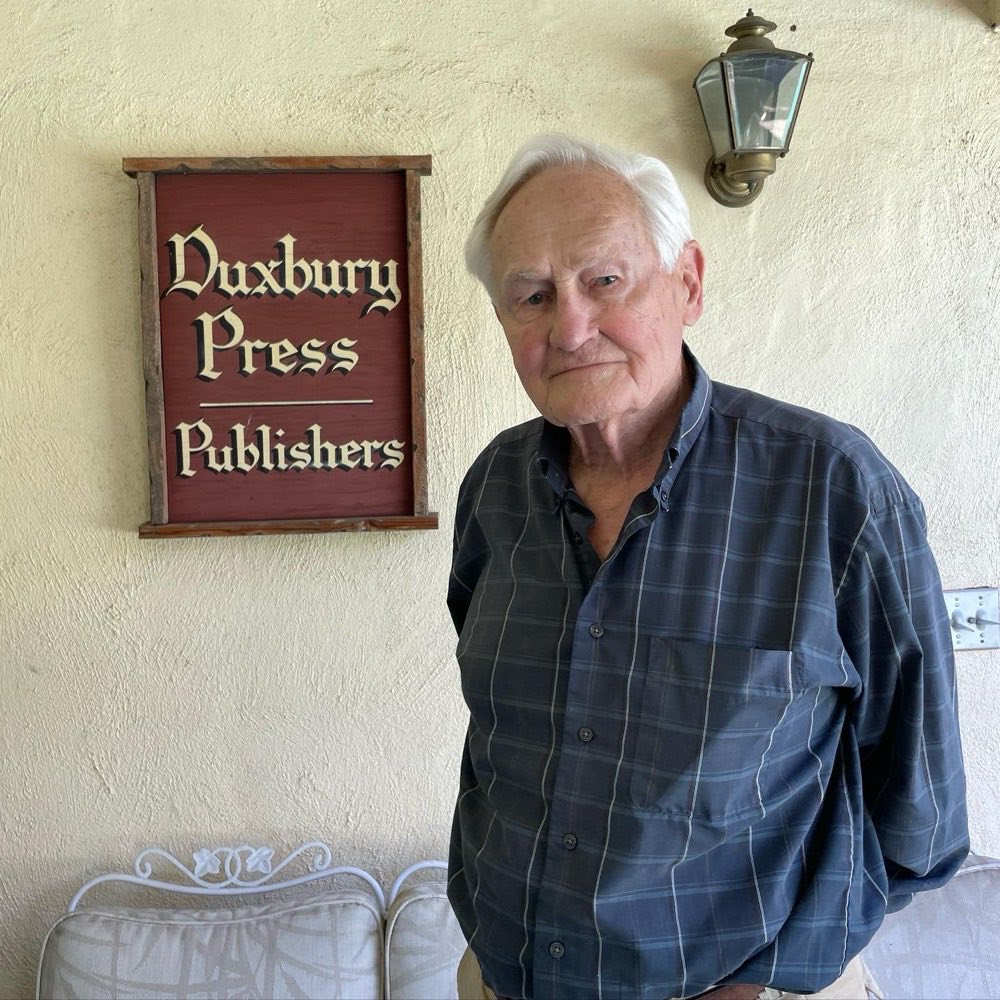
In 1968, together with Bob Gormley, he founded Duxbury Press, which grew into one
of the country's leading publishers of statistics and mathematics textbooks and
later became an imprint of Wadsworth Publishing. Titles he commissioned carried
the line "An Alexander Kugushev Book" on their covers, a distinction rarely given
to an editor.
In the 1990s he founded and led CyberGnostics, an online educational publisher.
Its CyberStats was among the first fully web-based college textbooks, and it was
later acquired by Thomson Learning. An admirer of Italian culture, he served as
president of Il Cenacolo, the storied Italian cultural club of San Francisco,
founded in 1928.
A committed, naturalized American, he loved his adopted country with the
clear-eyed devotion of someone who had seen the alternatives. His books are,
above all, an argument for America: for its resilience, its immigrants, and
its public schools.
7 languages
including English, French, Spanish, German, Italian, and Russian
70+ countries
traveled across a lifetime
5 books
written in his seventies, eighties, and nineties